When a Nonprofit Is Truly Grant-Ready, Execution Matters
Execution Matters More Than Strategy – Why some organizations don’t need more planning — they need consistent action.
There comes a point in a nonprofit’s life when preparation is no longer the problem.
The documents exist.
The programs are established.
The mission is clear.
The need is real.
And yet, funding still feels slower than it should.
At this stage, many organizations assume they need more strategy, more planning, or more restructuring. But in reality, what’s missing is often much simpler:
👉 Consistent execution.
Grant readiness is a phase — not a permanent state
Grant readiness is essential.
It’s the foundation of sustainable funding.
But once that foundation exists, staying in “preparation mode” too long can quietly stall momentum.
Grant-ready organizations often:
- Have organized documents
- Understand their programs and outcomes
- Know which funders are a fit
- Have applied successfully in the past
At this point, the question is no longer “Are we ready?”
It’s “Are we submitting consistently?”
Why execution gets overlooked
Execution sounds simple, but it’s surprisingly easy to avoid.
Execution requires:
- Regular attention
- Steady pacing
- Follow-through month after month
Unlike strategy work, execution isn’t flashy. There are no big planning sessions or whiteboard moments. It’s quiet, methodical, and repetitive.
And yet, this is where funding actually happens.
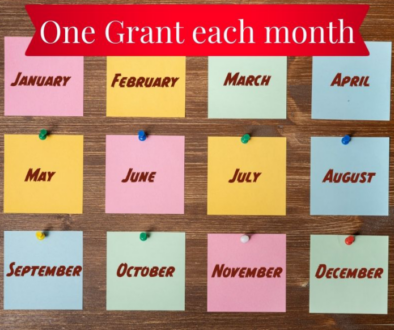
One focused grant per month adds up
Many nonprofits believe they need to apply to many grants to be successful.
In practice, consistency matters more than volume.
One well-aligned, thoughtfully prepared grant per month:
- Builds funder relationships over time
- Improves institutional knowledge
- Creates steady momentum
- Reduces burnout
This approach allows organizations to stay focused without overwhelming staff or leadership.
Why “low-touch” is often the right fit
Not every nonprofit needs a full systems build or high-touch consulting.
For grant-ready organizations, adding complexity can actually slow things down.
What’s often needed instead is:
- Someone to handle the writing
- Someone to manage deadlines
- Someone to keep submissions moving
Low-touch support respects the systems you already have while ensuring execution doesn’t fall through the cracks.
When learning is the better path
Of course, not every organization wants to delegate grant writing.
Some leaders or team members want to build the skill internally. They want to understand the process, improve their writing, and grow professionally.
That’s a different goal — and it deserves a different solution.
Trying to learn and execute at the same time often leads to frustration. Choosing one path creates clarity.
Choosing the right support
Sustainable funding isn’t about doing everything.
It’s about doing the right thing for where your organization is right now.
If you’re grant-ready and need steady execution, low-touch grant writing support can be the most efficient next step.
If you want to build grant writing skills internally, mentorship and education may be the better fit.
Neither path is better.
They simply serve different needs.
And clarity around that choice is what keeps funding work moving forward.
🚀 Choose Execution or Education — Both Are Smart
If your nonprofit is grant-ready and you want consistent momentum without extra layers, the Kickstarter Package offers focused, low-touch grant writing support with one aligned submission per month.
👉 Learn more about the Kickstarter Package
Kickstarter Package
👉 Or schedule a call to see if it’s a fit
Schedule a Call
If your goal is to learn grant writing and build the skill yourself, the Grant Professional Mentorship program offers education, guidance, and community support for grant professionals and aspiring grant writers.
👉 Learn more about the Grant Professional Mentorship