What a Grant Blueprint Really Does
Why one strong source of truth can change everything about your funding work!
The phrase “Grant Blueprint” sounds technical.
Sometimes even intimidating.
But at its core, a Grant Blueprint isn’t complicated at all.
It’s simply a single, organized place where your nonprofit’s most important information lives — so you don’t have to reinvent your story every time funding comes up.
And for many nonprofits, it becomes the turning point between reactive grant writing and sustainable funding work.
The problem most nonprofits don’t realize they have
Most nonprofits already have the content they need to apply for grants.
It’s just scattered.
Mission statements written five different ways.
Program descriptions that shift depending on who’s writing.
Outcomes buried in reports or spreadsheets.
Organizational history rewritten from memory every time.
None of this is intentional — it’s the natural result of growing without systems.
Over time, this creates a cycle where:
- Grant writing takes longer than it should
- Applications feel inconsistent
- Teams feel unsure which version is “right”
- Confidence erodes
The Grant Blueprint solves this problem at the root.
What a Grant Blueprint actually is
A Grant Blueprint is not a grant you submit.
It’s a living document that holds:
- Core organizational information
- Program descriptions
- Target populations
- Outcomes and metrics
- Standard narratives
- Supporting documentation
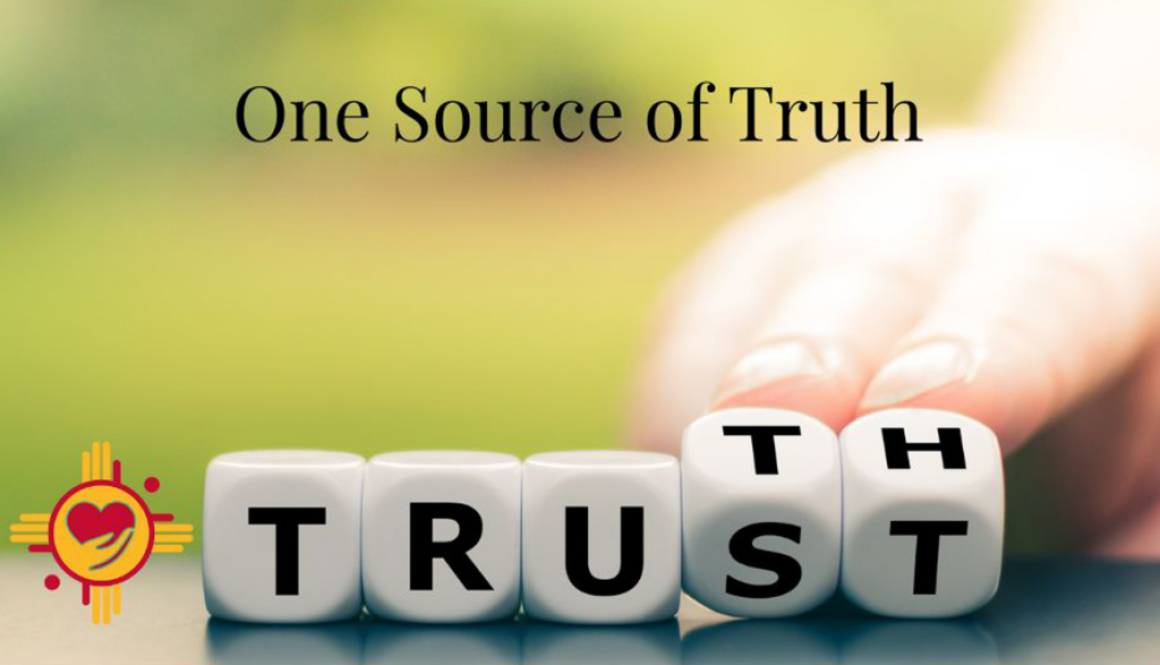
Think of it as your nonprofit’s source of truth for funding.
Instead of starting from scratch each time, you adapt from a strong foundation.
Why it saves more than time
Yes, a Grant Blueprint saves time.
But its real value goes much deeper.
It creates:
- Consistency across applications
- Clear internal alignment
- Stronger storytelling
- Faster turnaround when opportunities arise
When your core language is already defined, you’re no longer guessing.
You’re refining.
How funders experience this
Funders may never see your Grant Blueprint, but they feel its effects immediately.
Applications become:
- More coherent
- More confident
- Easier to follow
- More aligned
That clarity builds trust.
And trust is one of the most important — and overlooked — factors in funding decisions.
A tool that grows with you
One of the biggest misconceptions about a Grant Blueprint is that it has to be “perfect” before it’s useful.
It doesn’t.
It evolves.
As programs change.
As outcomes strengthen.
As your organization grows.
The key is having a place where those updates live — instead of scattering them across documents and memories.
Why this matters for sustainability
Sustainable funding doesn’t come from chasing more grants.
It comes from building systems that make funding easier to pursue over time.
A Grant Blueprint supports:
- Staff transitions
- Board involvement
- Long-term planning
- Stronger partnerships
It reduces dependence on any one person and strengthens the organization as a whole.
This is why the Grant Blueprint is a core part of the Launch Program.
It’s not about writing more — it’s about writing smarter.
And once it exists, everything else becomes easier.
Look into our Launch Package to get you set on the right track.





 📌 2 to 4 grant submissions per month